


The Psychology of Casino Games
The psychology behind casino games is a fascinating aspect that greatly influences player behavior. Casinos are designed to create an environment that fosters excitement and anticipation, with vibrant lights, sounds, and strategic layouts that encourage players to engage. Understanding this psychological manipulation can help players maintain their composure and make more informed decisions, especially when they explore the best nongamstop casinos uk that offer unique experiences. For instance, the use of colorful visuals and upbeat music is intended to trigger positive emotions, making players less aware of the amount of money they are spending.
Furthermore, casinos often employ techniques such as near misses, where players come close to winning but ultimately do not, to create a false sense of hope. This can lead to an increased desire to keep playing, as the brain associates these experiences with the potential for a big win. By recognizing these tactics, players can better manage their expectations and avoid falling into the traps set by the casino environment. Awareness of such psychological strategies is key to maintaining a healthy gambling mindset.
Moreover, the importance of social interaction in casino games cannot be understated. Many players enjoy the communal aspect of games like poker and blackjack, where they can engage with others while playing. This social dynamic can sometimes cloud judgment, as players may feel an obligation to keep playing to maintain the camaraderie with their peers. Recognizing the significance of both individual and social psychology can empower players to focus on their own gaming strategies and needs, leading to a more satisfying and controlled gambling experience.
The Role of House Edge
Understanding the concept of the house edge is crucial for any player looking to gain an advantage in casino games. The house edge refers to the inherent advantage that casinos have over players, expressed as a percentage of each bet. This edge varies by game; for example, games like blackjack can have a lower house edge, often around 1%, particularly if players employ optimal strategies. In contrast, games like slots may have a much higher house edge, sometimes exceeding 10%, meaning players are statistically more likely to lose money over time.
It’s essential for players to educate themselves about the games they choose to play and how the house edge affects their potential returns. For instance, by selecting games with a lower house edge, players can increase their odds of winning over the long run. Additionally, many players might overlook the significance of variations in rules and payout structures within the same game type. For example, playing blackjack with a single deck instead of multiple decks can lower the house edge and improve a player’s chances of coming out ahead.

Moreover, players often make the mistake of focusing solely on luck while ignoring strategies that can mitigate the house edge. While luck plays a role in casino games, particularly in games of chance, employing sound strategies can help players maximize their potential winnings. Educating oneself about the rules, strategies, and odds associated with each game is vital for anyone serious about gambling, allowing for informed choices that can lead to better outcomes.
Bankroll management is a fundamental principle that every successful player should prioritize. It entails setting a budget for how much money one is willing to spend at the casino and sticking to that limit. Effectively managing one’s bankroll can mean the difference between a fun experience and a stressful one. For instance, players should allocate a specific amount for each gambling session and avoid dipping into other funds, ensuring that they remain within their financial means and can enjoy the experience without risking significant loss.
Furthermore, players should also consider segmenting their bankroll for different games or time periods. By breaking down their total budget, players can prolong their gaming experience and reduce the risk of losing everything in one session. This approach encourages more strategic play, allowing individuals to make calculated decisions rather than succumbing to emotional impulses driven by the thrill of the gaming environment.
Additionally, setting win and loss limits can further enhance bankroll management. For example, if a player reaches a certain winning goal, they might consider cashing out to preserve their profits. Conversely, setting a loss limit helps players recognize when to walk away, reducing the likelihood of chasing losses in a desperate attempt to recoup funds. Overall, effective bankroll management is essential for fostering a sustainable and enjoyable gaming experience, enabling players to have fun while minimizing risks.
Strategies for Popular Casino Games
Each casino game has its unique set of strategies that players can employ to improve their odds. Take poker, for example; understanding the relative strength of one’s hand and learning how to read opponents can significantly impact outcomes. A successful poker player combines knowledge of strategy, psychology, and mathematics, often employing tactics such as bluffing and position play to gain an advantage. Mastering these elements can turn a casual player into a formidable opponent in the poker room.
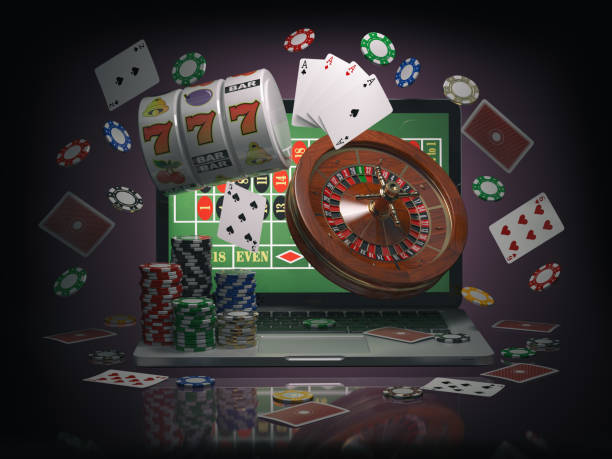
When it comes to games of chance like roulette, while the outcome is random, players can still apply strategic betting techniques. One popular strategy is the Martingale system, where players double their bets after a loss, aiming to recover lost funds with a single win. However, this approach requires a substantial bankroll and is risky, as a long losing streak can quickly deplete funds. Players must weigh the risks and be aware of the table limits that could hinder the effectiveness of such strategies.
Blackjack is another game where strategic play can reduce the house edge. Players should familiarize themselves with basic strategy charts that outline the best moves based on their hand and the dealer’s face-up card. Additionally, advanced techniques like card counting can provide an edge, although they require significant practice and can lead to being banned from establishments when detected. By arming themselves with strategies tailored to each game, players can enhance their gaming skills and foster a more rewarding experience.
What You Should Know About Online Casinos
The rise of online casinos has transformed the gambling landscape, offering players the convenience of gaming from home. However, there are crucial differences between online and traditional brick-and-mortar casinos that players should understand. One significant advantage of online casinos is the availability of a broader range of games, including variations that may not be found in physical locations. This expanded selection allows players to explore different gaming styles and strategies, all from the comfort of their own homes.
Moreover, online casinos often provide players with promotions and bonuses that are not typically available at physical casinos. These incentives can significantly enhance a player’s bankroll, allowing for extended play time and better opportunities to win. However, it’s essential to read the terms and conditions associated with these bonuses, as they often come with wagering requirements that can impact the overall value of the offer.
Lastly, the importance of security and licensing cannot be overstated when it comes to online gambling. Players should always ensure that the casino they choose is licensed and regulated by a recognized authority, as this adds a layer of protection for their funds and personal information. By being vigilant and informed, players can enjoy the benefits of online gaming while minimizing potential risks associated with online casinos.


